
Study in Korea — Your University Admission Guide
What TOPIK level you actually need, what a year really costs, which scholarships are winnable, where you’ll live, and when the deadlines fall. Written for students and parents in Malaysia and Southeast Asia.
- Established Jan 2017
- Based in Johor Bahru
- TOPIK-focused preparation
- Korean-language instruction
- MOU partners in Korea & Malaysia
How studying in Korea actually works
- Reach the TOPIK level your target university requires — usually Level 3–4 for a Korean-taught degree, and often higher to graduate.
- Apply in the university’s window, then receive your Certificate of Admission (Standard Admission Letter). The visa comes after the offer, never before.
- Budget roughly RM 45,000–75,000 for your first full year, all in. Scholarships and a regional city can cut that substantially — see the calculator below.
- Plan on 12–20 months from “I want to go” to your first class. The Korean academic year starts in March and September, and applications close months earlier.
- Apply for the D-2 student visa once you hold the admission certificate. We cover the visa mechanics in full on a separate page →

Am I eligible? What’s my fastest route?
Five questions. No email needed to see your result.

From today to your first class
Typical durations. Individual cases vary — the steps marked ✓ We handle this are the ones iSeodang does with you.

Which visa will you need?
A quick orientation. The full application procedure — documents, apostille by country, financial proof, embassy steps and ARC registration — lives on our dedicated visa page.
→ Full Korean visa guide
Every visa type, the complete document checklist, apostille authority by country, financial-proof figures, embassy processing times, ARC registration and the part-time work permit — step by step.
What you’ll need to collect
The essentials, so you can start gathering now. The complete list with apostille instructions for your country is on the Korean visa guide.
Apostille — what it actually is
Korea needs proof that your diploma and transcripts are genuine. An apostille is a stamp from your own government’s designated authority that says “this document is real.” Think of it as a passport for your paperwork.
Which authority issues it depends on your country, and getting the wrong one costs weeks. The per-country list is on the Korean visa guide.
Want this as a printable PDF?
We’ll send the full checklist plus the document templates we use with our own students.
Official government & university links
Why student visas get refused — and how to avoid it
A refusal is recorded and makes the next application harder. Almost all of these are preventable at the preparation stage.
What will a year actually cost?
A planning estimate built from commonly published ranges — not a quote. Actual tuition is set by each university and changes every year.
Estimated first year
Estimate only. Excludes flights, insurance, deposit for off-campus housing and one-off setup costs.
Currency conversion uses an editable fixed rate — see FX in the script.
Reference figures — Korean university costs per year
| Item | National / public | Private | Approx. RM |
|---|---|---|---|
| Tuition — humanities, social science | ₩4.0M – 5.2M | ₩6.6M – 9.0M | RM 12,700 – 28,600 |
| Tuition — science, engineering | ₩5.2M – 7.0M | ₩9.0M – 12.0M | RM 16,500 – 38,200 |
| Tuition — arts, music, design | ₩6.0M – 8.0M | ₩11.0M – 14.0M | RM 19,100 – 44,500 |
| University dormitory | ₩2.4M – 6.0M (about ₩200,000–500,000 per month) | RM 7,600 – 19,100 | |
| Studio (one-room) rent | ₩5.4M – 9.6M, plus a refundable deposit | RM 17,200 – 30,500 | |
| Living costs — Seoul & capital area | ₩8.4M – 11.4M (about ₩700,000–950,000 per month) | RM 26,700 – 36,300 | |
| Living costs — regional city | ₩6.6M – 9.0M (about ₩550,000–750,000 per month) | RM 21,000 – 28,600 | |
| Visa, documents, apostille (one-off) | ₩300,000 – 700,000 | RM 950 – 2,200 | |
| Health insurance | ₩900,000 – 1.5M per year | RM 2,900 – 4,800 | |
RM figures use a fixed reference rate of 1 KRW ≈ 0.00318 MYR and are rounded. Excludes flights, the housing deposit and one-off setup costs.
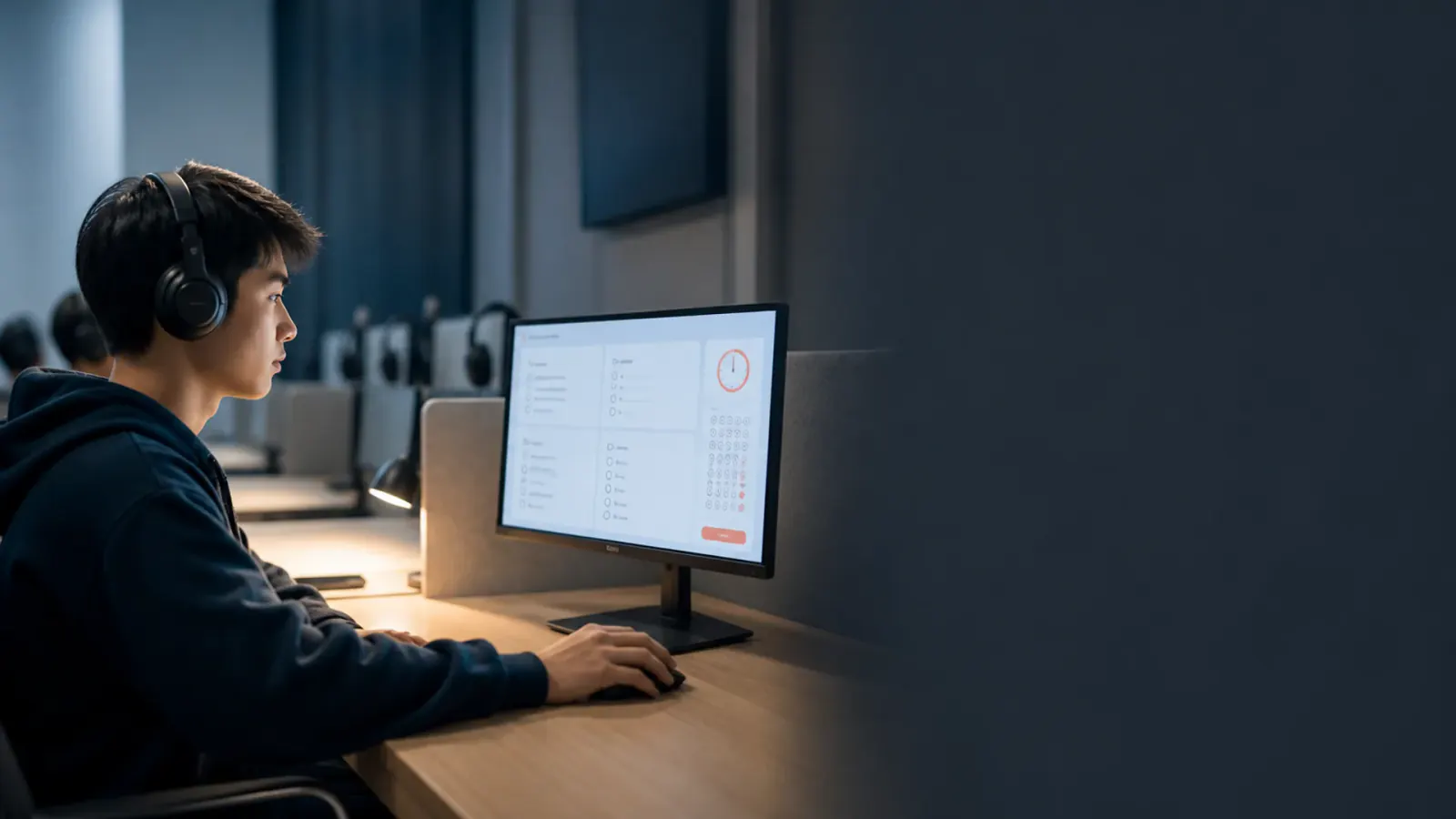
What TOPIK level do you actually need?
| Purpose | Usual level | Notes |
|---|---|---|
| Undergraduate admission | TOPIK 3–4 | Top-tier universities commonly ask for Level 4 |
| Graduation requirement | TOPIK 4–5 | Some universities require Level 5 to graduate or to enter a major |
| Part-time work (yr 1–2) | TOPIK 3+ | Below this, weekly hours are sharply capped |
| Part-time work (yr 3–4) | TOPIK 4+ | See the work-rules section below |
| Scholarship eligibility | TOPIK 4–6 | Higher level often means a larger tuition reduction |
Three routes to a Korean degree
Get TOPIK-ready in Johor Bahru
iSeodang is TOPIK-focused preparation, with Korean-language instruction. Reaching the required level before you apply is what makes Route A possible — and Route A is the cheapest and fastest of the three.
Which university is right for you?
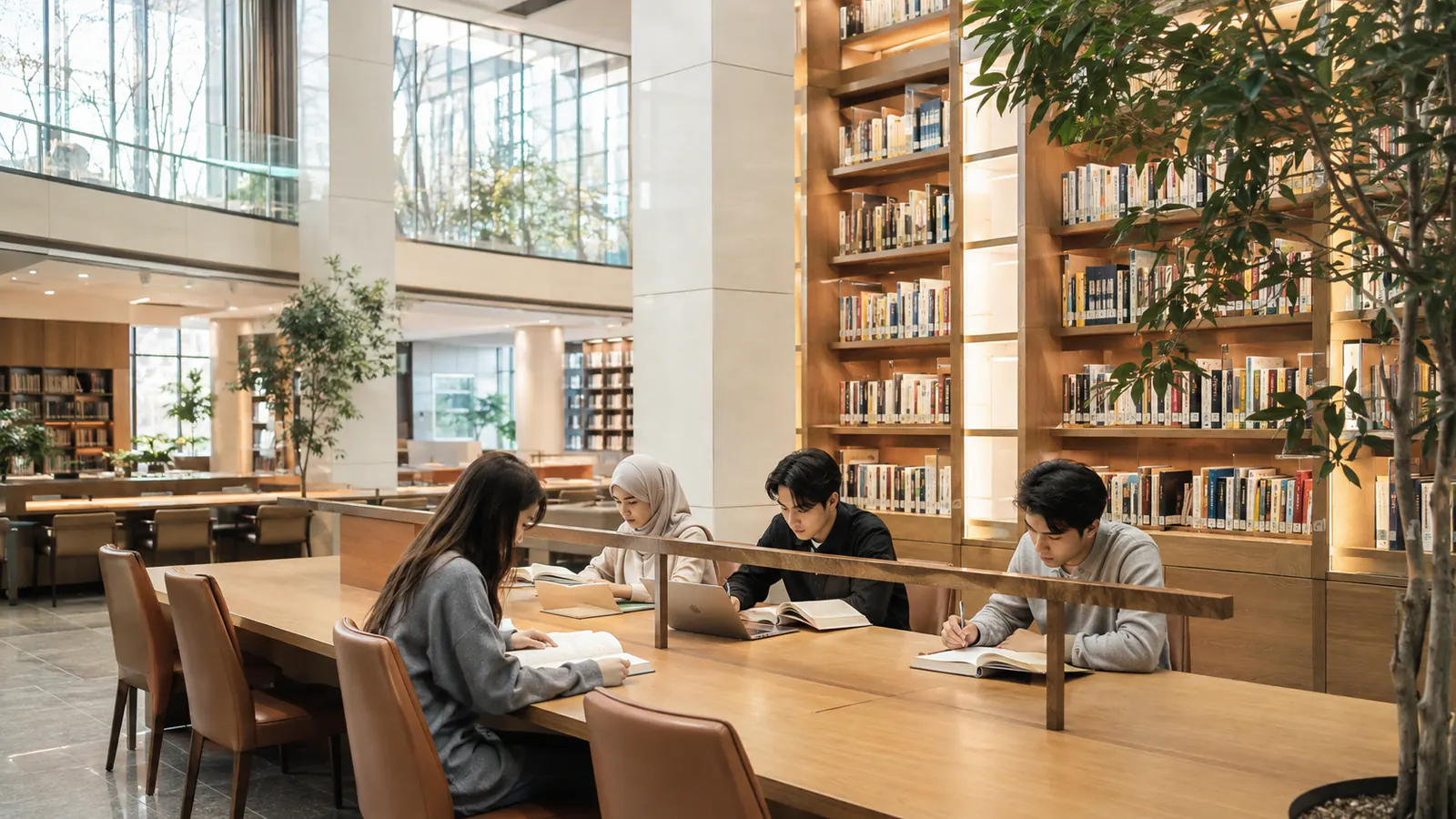
Rankings are the least useful filter for an international student. These matter far more day to day. Start from the 168 government-accredited Korean universities, then narrow with the criteria below.
Seoul & the capital area
- More part-time work available, higher wages
- Larger international communities, more halal options
- Higher rent and living costs
- More competition for admission and for dorm places
Regional cities
- Noticeably lower rent and living costs
- Dormitory places are usually easier to secure
- More Korean-language immersion, fewer English shortcuts
- Regional universities often offer larger international scholarships
Our MOU partner institutions
iSeodang holds signed memoranda of understanding with universities in Korea and Malaysia. Partnership means a direct line to the admissions office — not a guarantee of admission.
In Korea
- Kangwon National University — education and academic exchange
- Chonnam National University — educational cooperation
- Myongji University — student pathway cooperation
In Malaysia
- MDIS Malaysia International College (Johor)
- Southern University College
- UNITAR International University
Scholarships worth applying for
Academic calendar & your real deadline
| Milestone | Spring intake (March) | Autumn intake (September) |
|---|---|---|
| Reach required TOPIK level | By ~June the year before | By ~December the year before |
| Application window | ~Sept – Nov | ~March – May |
| Results & Certificate of Admission | ~Nov – Dec | ~May – June |
| Apostille & financial documents | ~Dec | ~June |
| Embassy visa application | ~Dec – Jan | ~June – July |
| Flights & housing | ~Jan – Feb | ~July – Aug |
| Arrival & orientation | Late Feb | Late Aug |
| Semester begins | Early March | Early September |
Before you fly
Arrival at Incheon, step by step

Your first 30 days in Korea
The order matters. Several things are locked behind your ARC, so book that appointment the week you arrive — not in month three.
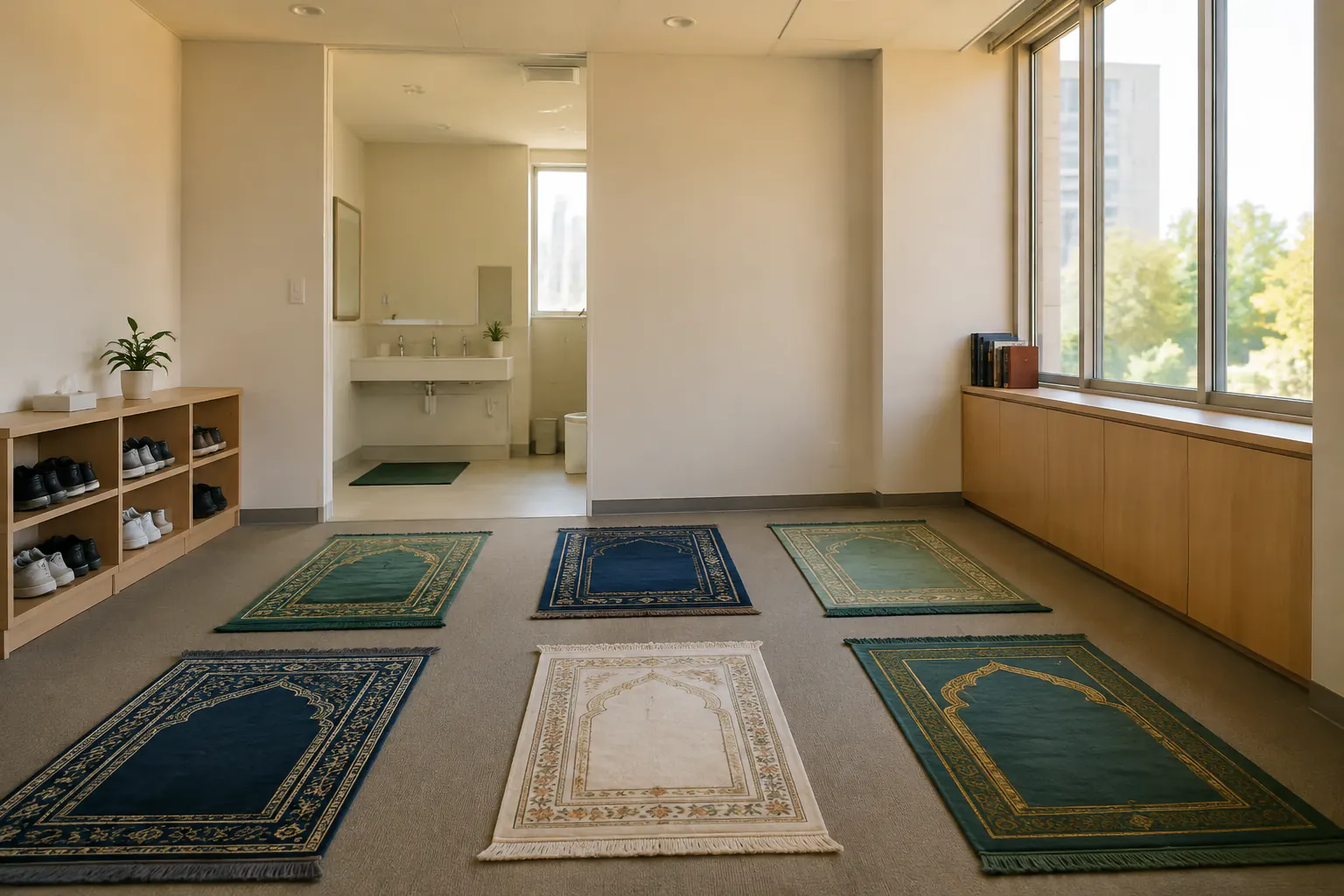
Halal food, prayer space and daily life
A question we are asked in almost every consultation with Malaysian and Indonesian families — and one most study-abroad pages skip entirely.
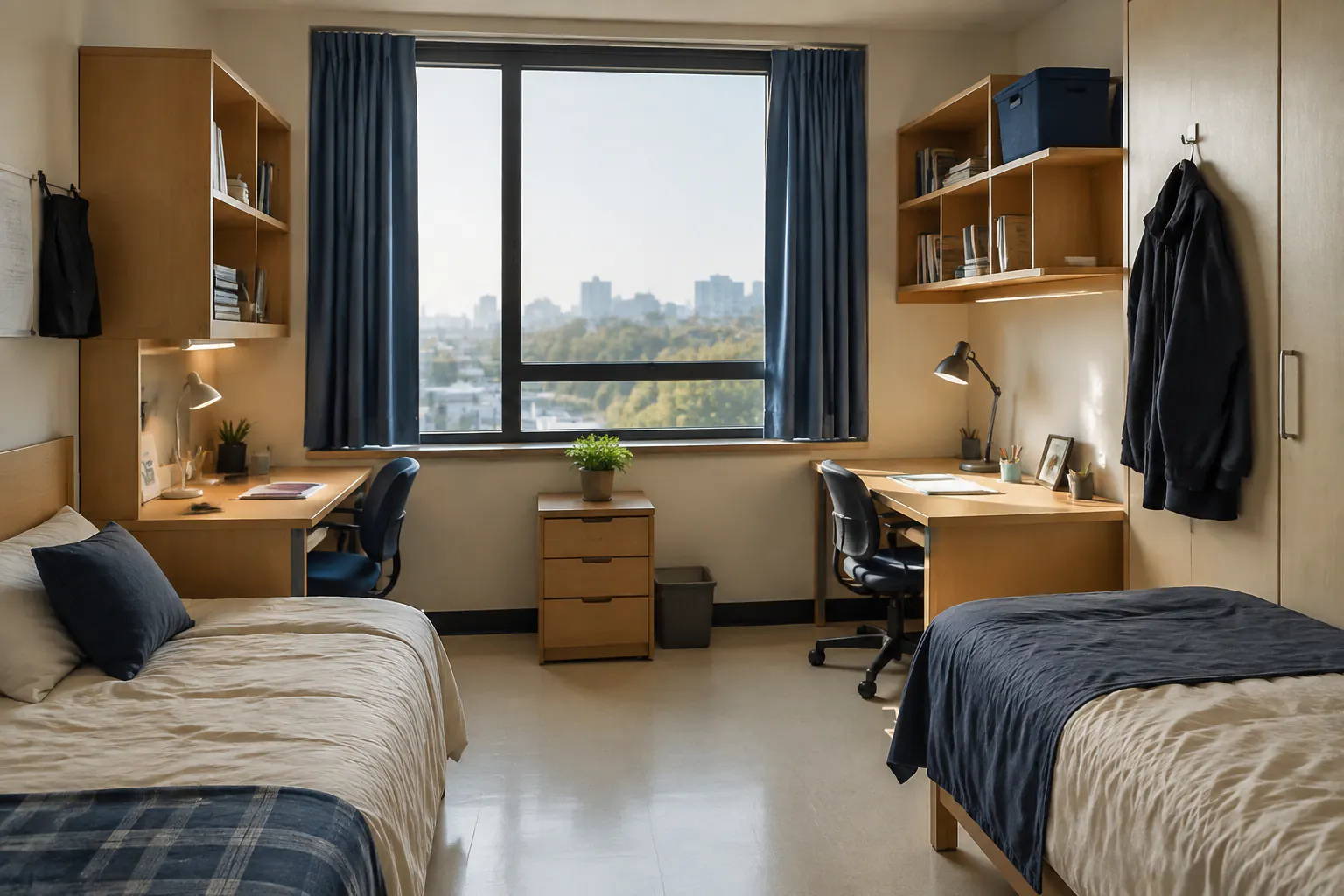
Housing options compared
| Option | Rough monthly cost | Deposit | Best for | Watch out for |
|---|
“Deposit” in Korea — explained simply
Korean rentals ask for a lump sum you leave with the landlord and get back when you move out. A small deposit means higher monthly rent; a very large deposit can mean little or no monthly rent at all.
Think of it as a large, refundable security bond. The catch: it is only genuinely refundable if the contract and registration are done correctly.
Part-time work on a student visa
| Your status | Korean level | Term-time, weekdays | Vacation |
|---|
Generally not permitted
- Construction work
- Gambling and adult-entertainment venues
- Anything your university’s permit approval does not cover
- Manufacturing — restricted, and typically only open to students at a higher Korean level

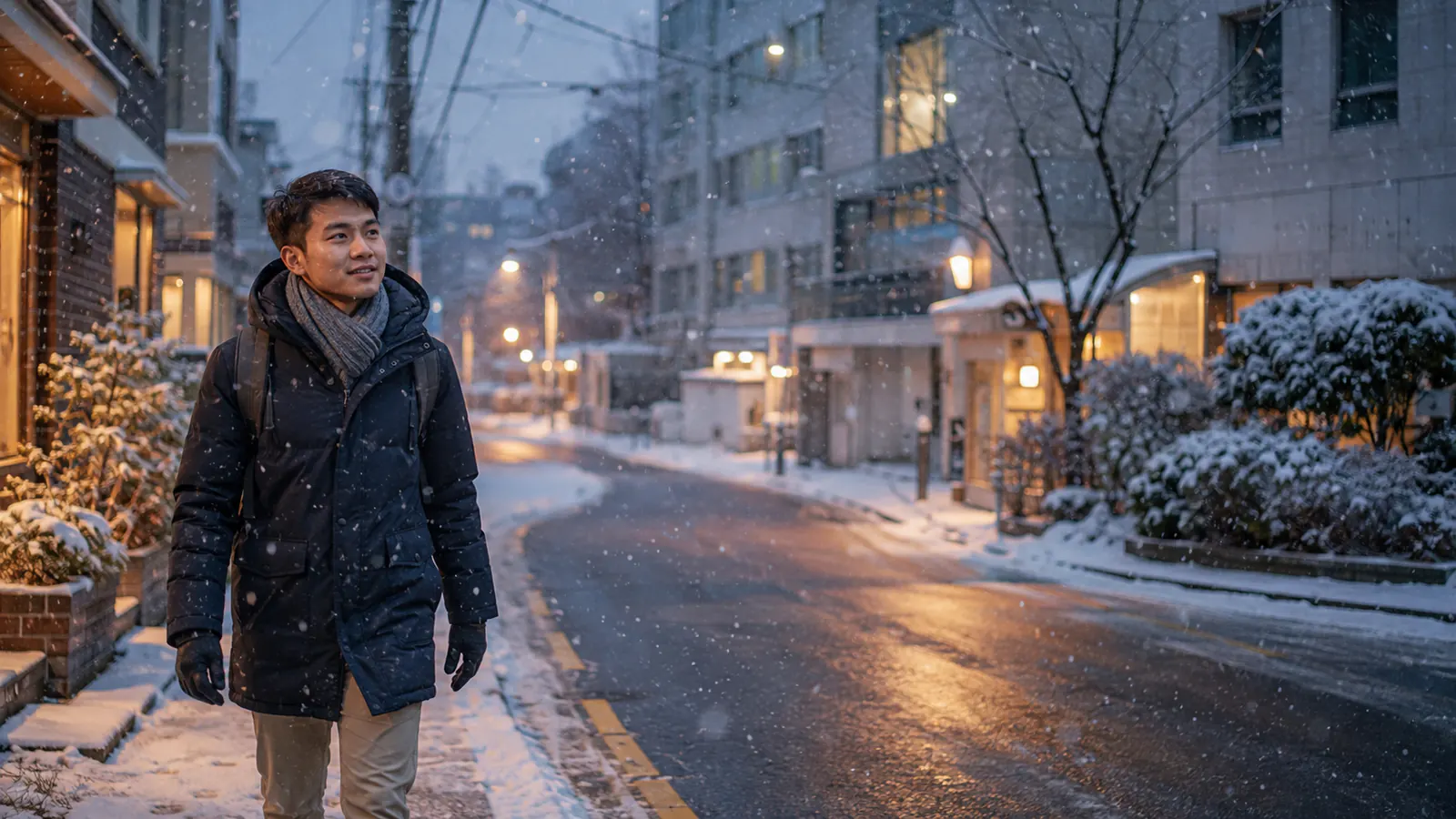
Surviving — and enjoying — your first year
Stay legal — the five things that end student visas
Nobody tells students this before they leave. Every item here is avoidable, and every one of them has ended someone’s studies.
After graduation — can you stay in Korea?
The usual question from parents. There is a defined path, and it starts while you are still studying.
Emergency & help numbers in Korea
Save these to your phone before you fly, and send this section to your parents.
Add your own country’s embassy in Seoul to this list before you fly — ask us and we’ll send you the current number.
Frequently asked questions
Let’s map your route — free, no obligation
Tell us your current level, your target intake and your budget. We’ll tell you honestly whether it’s realistic, and what the fastest legitimate path looks like.
Reply times are fastest on WhatsApp during Malaysian business hours.
Related: Korean visa guide · Korean university directory · TOPIK courses · MOU partnerships · Malaysia Student Visa Program · Class & fees